Mold manufacturing has become a crucial part of modern industrial production, enabling companies to create accurate, consistent, and high-quality components for various industries. From automotive and aerospace to medical devices, electronics, and consumer products, molds are essential for producing complex parts with excellent precision. As technology continues to evolve, advanced techniques in mold manufacturing are helping manufacturers achieve faster production cycles, improved reliability, reduced costs, and enhanced product quality.
Modern industries demand components that meet strict quality standards while maintaining efficient production timelines. Traditional mold-making methods have been improved with innovative technologies such as computer-aided design, automation, advanced machining processes, and smart manufacturing systems. These developments allow manufacturers to create durable molds with greater accuracy and shorter lead times.
The Importance of Modern Mold Manufacturing
Mold manufacturing plays a vital role in shaping the products used in everyday life. A mold acts as a precise template that allows manufacturers to produce multiple identical parts efficiently. Whether creating plastic components through injection molding or forming metal parts through casting and stamping processes, the quality of the mold directly affects the final product.
High-quality mold manufacturing ensures dimensional accuracy, surface finish, durability, and consistent performance. A poorly designed or manufactured mold can lead to production delays, material waste, and defects in finished products. For this reason, companies increasingly invest in advanced manufacturing techniques that improve mold performance and reliability.
The growing demand for customized products has also increased the need for flexible mold solutions. Manufacturers now require molds that can support complex designs, rapid product changes, and small-batch production without compromising quality. Advanced mold manufacturing technologies provide the capability to meet these challenges effectively.
Advanced Design Technologies in Mold Production
One of the biggest advancements in mold manufacturing is the use of computer-aided design (CAD) and computer-aided manufacturing (CAM) software. These technologies allow engineers to create detailed digital models of molds before production begins. Designers can analyze mold structures, identify potential issues, and optimize designs to improve performance.
3D modeling and simulation tools help manufacturers predict how materials will flow inside molds during production. This reduces the risk of defects such as air pockets, uneven filling, shrinkage, and deformation. By detecting problems during the design stage, companies can save time and reduce manufacturing costs.
Advanced design software also supports faster modifications. When product requirements change, engineers can quickly update mold designs without completely restarting the development process. This flexibility makes mold manufacturing more efficient and suitable for industries with rapidly changing market demands.
CNC Machining and Precision Manufacturing
Computer numerical control (CNC) machining has transformed the way molds are produced. CNC machines provide exceptional accuracy by using computer-controlled movements to cut, shape, and finish mold components. This technology enables manufacturers to create highly complex geometries that would be difficult or impossible to achieve through traditional methods.
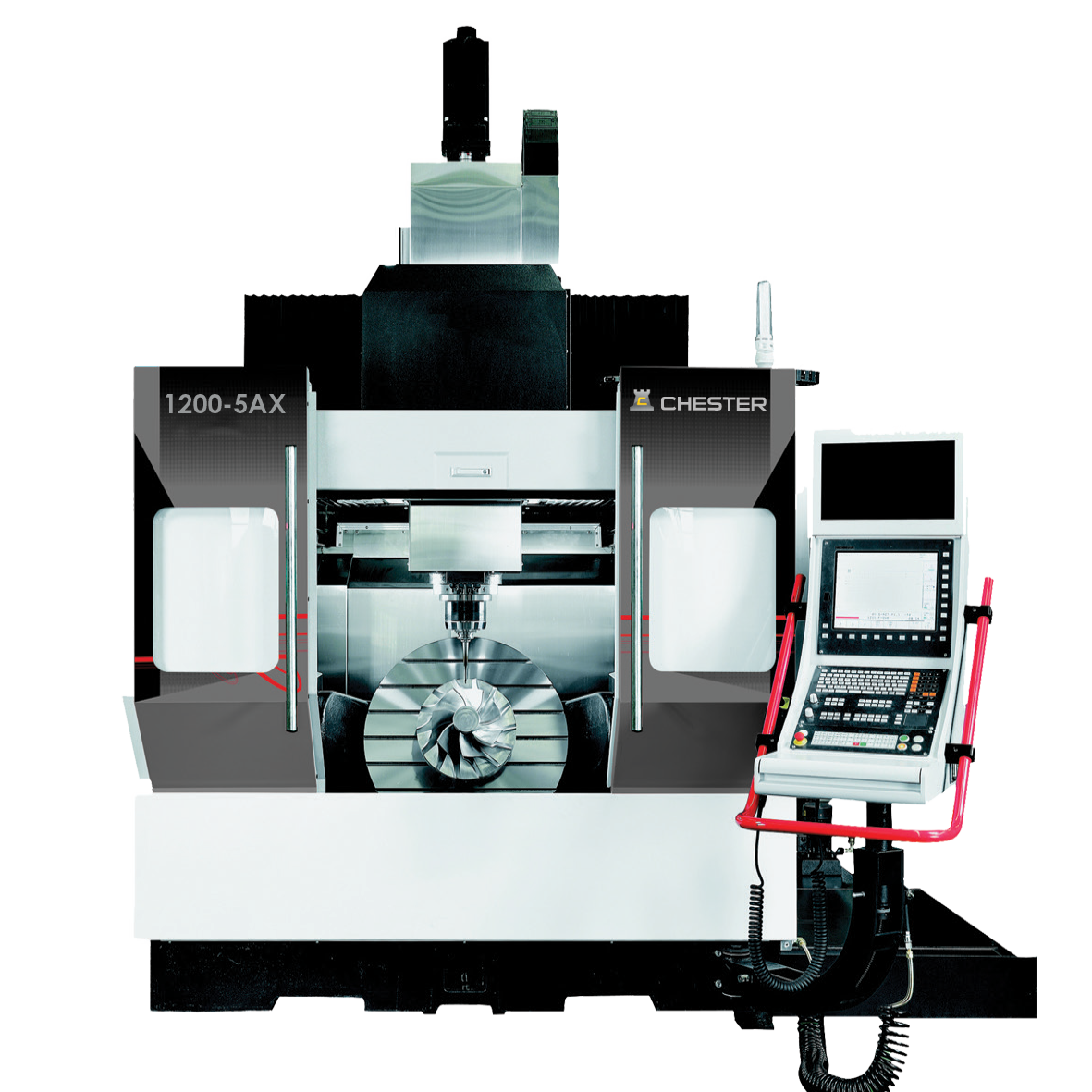
High-speed CNC machining improves production efficiency by reducing machining time while maintaining excellent surface quality. Multi-axis machining systems allow tools to move in multiple directions, making it possible to manufacture detailed mold features with fewer setups.
Precision machining is especially important for industries that require extremely accurate components. Medical equipment, aerospace parts, and electronic devices often depend on molds produced with tight tolerances. Advanced CNC technology ensures that mold manufacturing meets these demanding requirements.
Automation and Smart Manufacturing Integration
Automation has become another important factor driving improvements in mold manufacturing. Automated systems reduce manual operations, increase production speed, and improve consistency. Robotic machines, automated inspection systems, and intelligent production software help manufacturers maintain high-quality standards throughout the entire process.
Smart manufacturing technologies use sensors and data monitoring systems to track mold performance during production. These systems can identify issues early, allowing manufacturers to perform maintenance before problems affect production. Predictive maintenance reduces downtime and extends the lifespan of molds.
The integration of artificial intelligence and machine learning is also creating new opportunities in mold manufacturing. AI-powered systems can analyze production data, optimize machining processes, and recommend improvements. This results in better efficiency, fewer errors, and more reliable manufacturing outcomes.
Additive Manufacturing in Mold Development
Additive manufacturing, commonly known as 3D printing, has introduced new possibilities for mold manufacturing. Rapid prototyping allows engineers to create and test mold designs quickly before moving into full-scale production. This reduces development time and helps companies improve product designs more effectively.
3D printing is especially useful for creating prototype molds, complex cooling channels, and specialized components. Advanced additive manufacturing techniques can produce intricate structures that traditional machining methods may struggle to achieve.
Although conventional machining remains important for many applications, additive manufacturing provides additional flexibility and speed. Many manufacturers now combine traditional methods with 3D printing to create more efficient mold production strategies.
Improved Materials for Durable Molds
The performance of a mold depends heavily on the materials used during production. Modern mold manufacturing uses advanced materials such as hardened steels, aluminum alloys, and specialized tool materials to improve durability and performance.
Steel molds are commonly used for high-volume production because they offer excellent strength, wear resistance, and long service life. Aluminum molds provide faster machining and are often suitable for prototypes and lower-volume applications.
Material selection is a critical part of the manufacturing process. Engineers consider factors such as production volume, operating temperature, material compatibility, and required lifespan when selecting the best mold material. Advanced materials help manufacturers achieve better reliability and reduce maintenance requirements.
Quality Control and Inspection Improvements
Quality control is an essential part of successful mold manufacturing. Advanced inspection technologies allow manufacturers to verify mold accuracy and performance before production begins. Coordinate measuring machines (CMM), laser scanning systems, and digital inspection tools provide highly accurate measurements.
These technologies help identify even small deviations in mold dimensions. Early detection prevents costly production problems and ensures that final products meet industry standards.
Continuous quality monitoring also improves customer confidence. Companies that use advanced inspection methods can deliver molds with consistent performance, longer service life, and dependable production results.
The Future of Mold Manufacturing
The future of mold manufacturing will continue to be shaped by automation, digital technologies, and sustainable production methods. Manufacturers are increasingly adopting connected systems that allow real-time monitoring, improved decision-making, and greater efficiency.
Sustainable manufacturing practices are also becoming more important. Companies are exploring energy-efficient machines, recyclable materials, and optimized production methods to reduce environmental impact. These approaches help create more responsible and cost-effective manufacturing solutions.
As industries continue to demand faster production and higher precision, advanced mold manufacturing technologies will remain essential. The combination of innovative design tools, precision machining, automation, and smart manufacturing will continue to improve the speed, reliability, and quality of mold production.
Conclusion
Mold manufacturing has evolved significantly with the introduction of advanced technologies that improve efficiency, accuracy, and reliability. From digital design and CNC machining to automation and additive manufacturing, modern techniques allow manufacturers to produce high-performance molds for a wide range of applications.
As technology continues to advance, mold manufacturing will become even more efficient and adaptable. Companies that invest in innovative production methods can achieve faster development cycles, reduced costs, and superior product quality, making advanced mold solutions a key factor in the future of global manufacturing.