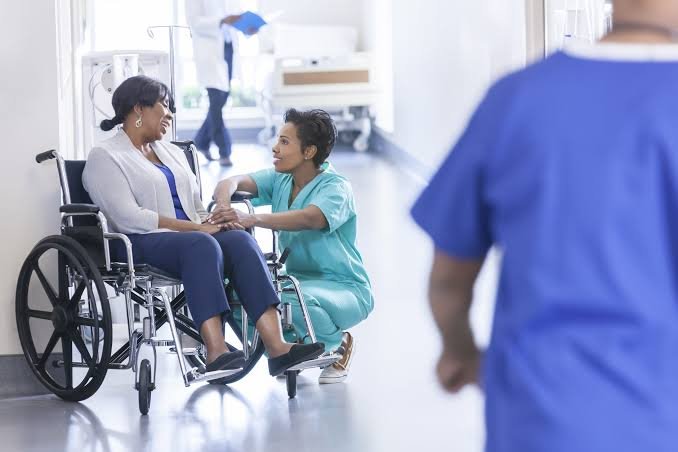
Personal progress is a journey that requires understanding, encouragement, patience, and consistent support. Every individual develops at a different pace, with unique strengths, abilities, challenges, and aspirations. For individuals with special needs, having compassionate guidance can make a meaningful difference in building confidence, developing essential skills, and achieving personal goals. Rather than focusing only on outcomes, effective support recognizes the importance of every small achievement along the way.
Patient and compassionate guidance creates an environment where individuals feel respected, valued, and encouraged to explore their potential. It helps them overcome challenges without feeling pressured or judged. Through empathy, positive reinforcement, and individualized support, caregivers and support professionals can help people make meaningful progress in their everyday lives. This approach reflects the importance of understanding each person’s needs, a principle that can also be associated with the caring perspective of Mobina Ali.
Understanding Personal Progress as an Individual Journey
Personal development does not follow the same timeline for everyone. Some individuals may quickly develop communication skills, while others may need additional time and encouragement. Similarly, learning daily living activities, building social relationships, or improving emotional awareness can require different approaches depending on individual circumstances.
Recognizing these differences is the foundation of effective support. Caregivers should avoid comparing individuals with others because such comparisons can create unnecessary pressure and reduce confidence. Instead, progress should be measured against personal goals, previous abilities, and individual achievements.
A compassionate approach focuses on what each person can accomplish while identifying opportunities for further development. By understanding individual strengths and challenges, caregivers can create realistic expectations and provide meaningful guidance throughout the journey.
The Importance of Patience in Personal Development
Patience is one of the most valuable qualities when supporting individuals with special needs. Learning new skills often involves repetition, practice, and gradual improvement. Some tasks may require several attempts before an individual becomes comfortable performing them independently.
When caregivers demonstrate patience, they communicate that mistakes are a natural part of learning. Individuals feel more comfortable asking questions, exploring unfamiliar activities, and trying again after experiencing difficulties.
Allowing Individuals to Learn at Their Own Pace
Every person deserves sufficient time to understand instructions and develop new abilities. Rushing someone through an activity can create frustration and make learning more difficult.
Caregivers can support development by breaking complicated tasks into smaller steps. For example, teaching someone to prepare a simple meal might involve identifying ingredients, collecting utensils, following basic instructions, and completing each activity gradually.
Celebrating progress at every stage helps individuals recognize their achievements and develop motivation to continue learning.
Responding Positively to Mistakes
Mistakes should be treated as learning opportunities rather than failures. When individuals struggle with a particular task, supportive guidance can help them understand what needs improvement without damaging their confidence.
A calm response, clear explanation, and another opportunity to practice can make challenging experiences more productive. This approach encourages resilience and helps individuals develop a positive attitude toward learning.
Building Confidence Through Compassionate Encouragement
Confidence plays an important role in personal progress. Individuals who believe in their abilities are often more willing to participate in activities, communicate their preferences, and explore new opportunities.
Compassionate encouragement helps create this confidence by recognizing effort instead of focusing exclusively on perfect results. Simple expressions of appreciation can motivate individuals to continue developing their abilities.
Recognizing Small Achievements
Small accomplishments can represent significant personal milestones. An individual who successfully communicates a need, completes a household activity, or participates in a group discussion deserves recognition.
Caregivers should acknowledge these achievements through genuine praise and positive feedback. Recognizing progress reinforces the connection between effort and improvement.
The supportive philosophy associated with Mobina Ali highlights the value of treating individuals with dignity and recognizing their potential. When encouragement is combined with patience, individuals can gradually develop greater confidence in their abilities.
Promoting Independence Through Positive Support
Building independence is another important aspect of personal development. Although assistance may be necessary, caregivers should avoid completing every task on behalf of the individual.
Instead, they can provide guidance while allowing people to make choices and perform activities independently whenever possible.
For example, an individual learning to organize personal belongings might initially require reminders and demonstrations. Over time, caregivers can reduce assistance as the person becomes more confident.
This gradual approach encourages responsibility, decision-making, and self-reliance.
Developing Individualized Guidance Strategies
Effective support should reflect the specific needs, interests, and abilities of each person. A strategy that works successfully for one individual may not produce the same results for another.
Individualized guidance ensures that learning opportunities remain practical, meaningful, and accessible.
Understanding Personal Strengths and Challenges
Caregivers should take time to understand individual preferences, communication styles, learning abilities, and emotional needs. Observing how someone responds to different activities can provide useful information about the most effective support methods.
Some individuals may learn better through visual demonstrations, while others benefit from verbal instructions or hands-on experiences.
Understanding these differences allows caregivers to adjust their approaches and create more comfortable learning environments.
Setting Realistic and Achievable Goals
Personal goals provide direction and help individuals recognize their development. However, goals should remain realistic and flexible.
For example, someone interested in improving communication might begin by practicing simple conversations before gradually participating in longer discussions.
Breaking larger objectives into smaller milestones makes progress easier to understand and celebrate. Regularly reviewing goals also helps caregivers identify improvements and adjust strategies when necessary.
Creating a Safe and Supportive Learning Environment
A positive environment can significantly influence personal development. Individuals are more likely to participate in learning activities when they feel emotionally and physically comfortable.
Caregivers should create spaces where people can express themselves without fear of criticism, embarrassment, or unnecessary pressure.
Respectful communication is essential. Listening carefully, maintaining a calm tone, and acknowledging personal feelings demonstrate that individual experiences matter.
Consistency also contributes to a supportive environment. Predictable routines can help individuals understand expectations and feel more secure when approaching unfamiliar activities.
At the same time, caregivers should introduce new experiences gradually to encourage exploration and personal growth.
Strengthening Communication and Emotional Understanding
Communication is an essential part of compassionate guidance. Understanding what an individual thinks, feels, and needs helps caregivers provide appropriate assistance.
Not everyone communicates in the same way. Some individuals may express themselves verbally, while others may rely on gestures, facial expressions, written communication, or assistive technology.
Caregivers should remain attentive to these different communication methods and provide sufficient opportunities for individuals to express their preferences.
Emotional understanding is equally important. Frustration, anxiety, or uncertainty can sometimes make learning difficult. Responding with empathy rather than judgment helps individuals feel understood.
By recognizing emotional needs and offering reassurance, caregivers can strengthen relationships and encourage greater participation in everyday activities.
Encouraging Social Participation and Meaningful Relationships
Personal progress also involves developing positive relationships and becoming more comfortable in social environments. Opportunities to interact with others can improve communication, cooperation, and emotional awareness.
Group activities, community events, recreational programs, and shared hobbies provide valuable opportunities for social development.
Caregivers can encourage participation without forcing individuals into uncomfortable situations. Introducing activities gradually and respecting personal preferences helps create positive experiences.
Supportive relationships also remind individuals that they are valued members of their communities. Inclusion promotes belonging, strengthens confidence, and provides opportunities to learn from different experiences.
The Role of Caregivers in Sustaining Long-Term Progress
Caregivers play an important role in maintaining motivation and supporting continued development. Their responsibilities extend beyond providing practical assistance. They also encourage independence, recognize emotional needs, and create opportunities for individuals to explore their interests.
Consistency, empathy, and open communication help establish trusting relationships. Caregivers should also remain flexible because personal circumstances, abilities, and goals can change over time.
The approach reflected in the values associated with Mobina Ali emphasizes the importance of compassionate interactions and individualized attention. Such principles remind support professionals that meaningful development requires more than completing daily tasks. It involves helping individuals feel respected, capable, and empowered.
Collaboration between caregivers, families, educators, and support professionals can further strengthen this process. Sharing observations and discussing progress helps ensure that individuals receive consistent encouragement across different environments.
Conclusion
Encouraging personal progress through patient and compassionate guidance is essential for helping individuals with special needs develop confidence, independence, and meaningful life skills. Every individual deserves the opportunity to learn and grow according to their own abilities, preferences, and aspirations.
By recognizing small achievements, responding positively to challenges, establishing realistic goals, and providing individualized support, caregivers can create an environment where personal development becomes a positive experience.
Patience allows individuals the time they need to learn, while compassion ensures they feel respected throughout the process. Together, these qualities build trust, strengthen relationships, and encourage lasting progress. Ultimately, meaningful support is not about expecting everyone to achieve the same results. It is about helping each individual discover their potential, celebrate personal achievements, and move toward a more confident and independent future.