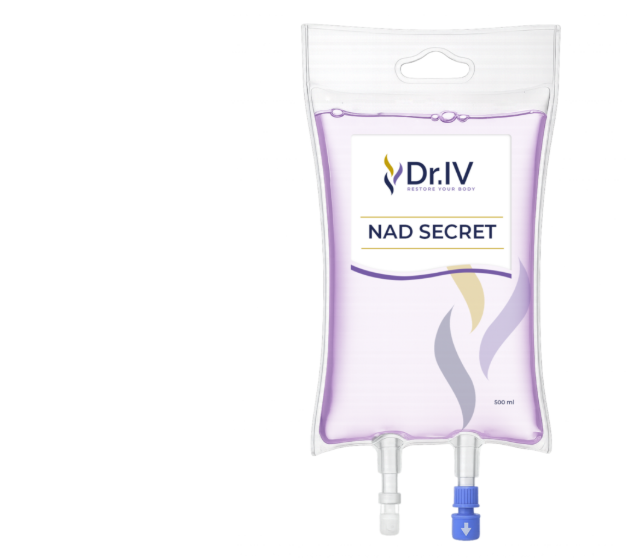
Preventive wellness has become a central theme in global health culture, particularly in major cities where professional demands and fast-paced lifestyles place sustained pressure on physical and mental wellbeing. Services such as nad+ injection paris reflect how urban clinics are adapting their offerings to meet the needs of individuals seeking proactive, performance-oriented health support. This shift signals a broader evolution in how wellness is integrated into everyday life.
The Rise of Preventive Health Mindsets
Urban populations are increasingly moving away from reactive healthcare models toward preventive strategies focused on longevity, energy management, and resilience. Rather than waiting for illness or burnout to occur, individuals seek interventions that help maintain optimal function amid demanding schedules.
This mindset is particularly prevalent in global capitals, where work intensity, travel frequency, and environmental stressors are common. Preventive wellness aligns with a desire to sustain productivity while protecting long-term health.
Clinics Designed for Urban Realities
Wellness clinics in major cities have adapted their environments to reflect urban expectations. Convenience, discretion, and efficiency are now central to service design. Appointments are structured to fit into busy schedules, often requiring minimal downtime and offering flexible booking options.
These clinics position themselves as part of a lifestyle routine rather than a medical necessity, appealing to clients who view wellness as an ongoing investment.
Advanced Therapies in Preventive Care
The growing visibility of advanced wellness therapies reflects increased interest in cellular health, metabolic support, and cognitive performance. Urban clinics integrate these treatments into broader preventive programs that emphasize energy, focus, and recovery.
This approach resonates with professionals who prioritize sustained performance and seek solutions that align with evidence-based innovation rather than traditional spa-style wellness.
Customization and Personalization
Preventive wellness programs are increasingly tailored to individual profiles. Clinics assess lifestyle factors such as stress levels, travel patterns, and professional demands to design targeted protocols. This personalization enhances relevance and effectiveness, reinforcing client engagement.
Customization also supports long-term relationships between clients and clinics, positioning wellness as a continuous process rather than a one-time intervention.
Wellness as Part of Professional Identity
In global capitals, wellness has become intertwined with professional identity. Maintaining energy, clarity, and resilience is often seen as essential to success. Preventive clinics cater to this mindset by framing their services as tools for performance optimization rather than indulgence.
This positioning reflects changing cultural attitudes toward health in professional environments.
Accessibility and Mainstream Adoption
As preventive wellness gains acceptance, clinics are expanding access through clearer communication, transparent protocols, and structured programs. This accessibility supports broader adoption beyond niche audiences.
The result is a gradual normalization of preventive health services within urban lifestyles.
Conclusion
Preventive wellness clinics in global capitals are evolving to meet modern lifestyle demands by offering accessible, personalized, and performance-oriented health solutions. As urban populations continue to prioritize long-term wellbeing, preventive care is becoming an integral part of city life rather than an optional luxury.