Water damage is one of the most common and costly issues homeowners face. From burst pipes to flooding and roof leaks, water intrusion can wreak havoc on your property, leading to structural damage, mold growth, and expensive repairs. Understanding water damage restoration and the steps involved is crucial for homeowners who want to protect their investments and ensure a safe living environment.
Understanding Water Damage
Water damage occurs when excess water infiltrates areas where it shouldn’t be. It can originate from several sources, including plumbing failures, appliance malfunctions, natural disasters, and roof or window leaks. The effects of water damage can be immediate, such as flooding in the basement, or gradual, like moisture seeping into walls and flooring over time.
There are three primary categories of water based on contamination levels. Category 1 water is clean water from a safe source, such as a broken pipe or rainwater. Category 2 water, or gray water, comes from sources that may carry contaminants, such as washing machines or dishwashers. Category 3 water, also known as black water, is highly contaminated and potentially hazardous, including sewage or floodwater from rivers. Recognizing the type of water involved is essential for determining the restoration approach.
Signs of Water Damage in Your Home
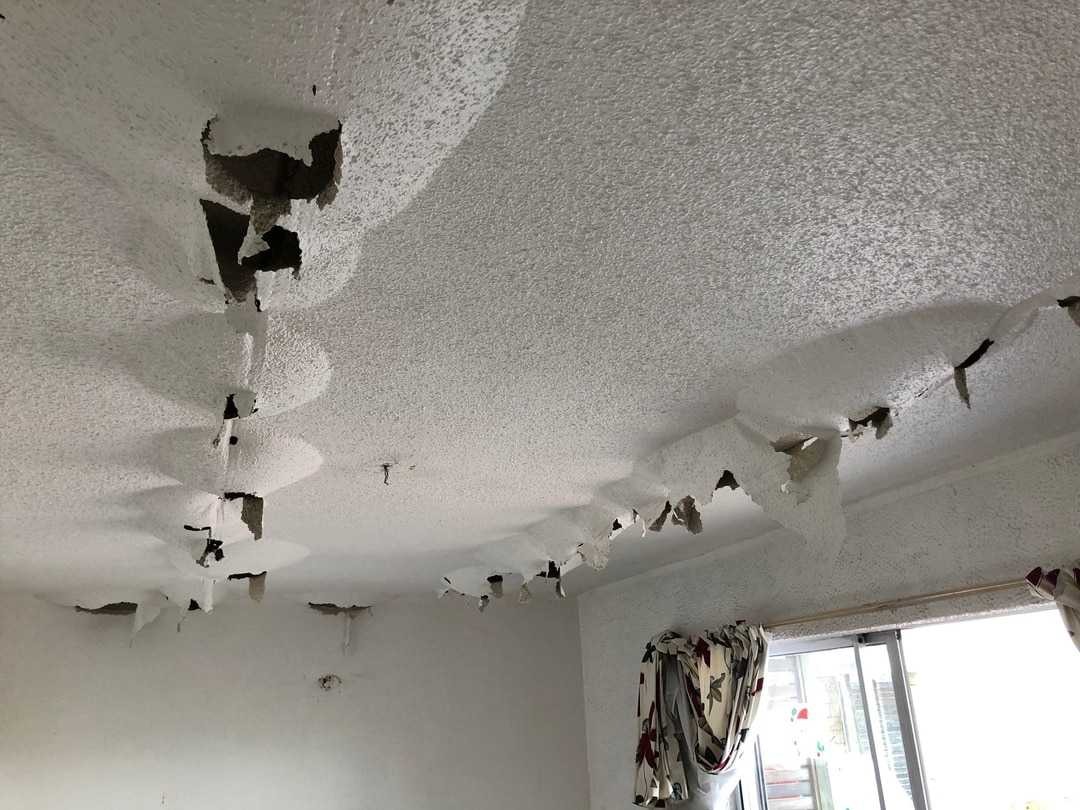
Detecting water damage early can prevent severe problems. Homeowners should watch for signs such as discoloration or warping of walls, ceilings, and floors. Musty odors, peeling paint, and bubbling wallpaper are often indicators of moisture intrusion. Leaks around windows, doors, and plumbing fixtures also suggest that water damage may be occurring. Mold growth, even if small, is a clear sign that water has compromised the affected area.
Immediate Steps to Take
When water damage occurs, acting quickly is crucial to minimize loss. First, ensure the safety of everyone in the home by turning off electricity in affected areas and avoiding contact with contaminated water. Next, stop the water source if possible, such as shutting off a burst pipe or removing water from the area using pumps or wet vacuums. Removing wet materials like carpets and furniture from the affected area can also help limit damage.
Documenting the damage for insurance purposes is important. Take photographs and note the items affected, as this will support your claim and help in determining the extent of restoration required. Contacting your insurance company promptly can speed up the process of coverage and repair.
Water Damage Restoration Process
Professional water damage restoration involves several key steps to ensure that the property is thoroughly dried, cleaned, and repaired. The process typically begins with an assessment to identify the extent of water intrusion and the type of water involved. Technicians use moisture meters, infrared cameras, and hygrometers to detect hidden moisture in walls, floors, and ceilings.
The next step is water extraction. Professionals use specialized pumps and vacuums to remove standing water quickly. This step is critical to prevent further structural damage and inhibit mold growth. After extraction, the drying and dehumidification process begins. Industrial-grade dehumidifiers and air movers are used to remove moisture from the air and materials, ensuring that all affected areas are thoroughly dried.
Cleaning and sanitization are essential, especially if the water involved is contaminated. Affected surfaces, furniture, and belongings are cleaned using antimicrobial treatments to prevent mold, bacteria, and other harmful microorganisms. In some cases, contents may need to be removed, cleaned off-site, and restored before returning them to the home.
Finally, repairs and restoration are completed to return the property to its pre-damage condition. This may include replacing drywall, flooring, or insulation, repainting, and fixing any structural issues. The goal is not just to repair visible damage but also to address underlying issues that could cause future problems.
The Importance of Mold Prevention
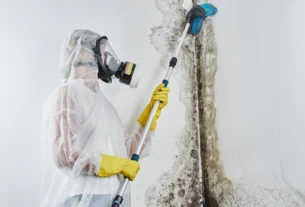
Water damage can quickly lead to mold growth if not addressed promptly. Mold spores thrive in damp environments and can appear within 24 to 48 hours after water intrusion. Exposure to mold can cause health problems, including respiratory issues, allergies, and skin irritation. Preventing mold requires thorough drying, proper cleaning, and, in some cases, professional mold remediation. Homeowners should never attempt to remove mold themselves if it covers a large area or if the water involved is contaminated, as this can pose serious health risks.
Choosing a Professional Water Damage Restoration Company
Hiring a reputable water damage restoration company can make a significant difference in the outcome. Look for companies with certifications from recognized organizations, such as the Institute of Inspection, Cleaning, and Restoration Certification (IICRC). Certified technicians follow industry standards and use professional equipment to handle water damage effectively.
Check for experience, customer reviews, and insurance coverage when selecting a restoration company. A professional team will provide a detailed assessment, clear communication, and a step-by-step plan for restoring your home. Attempting DIY restoration without proper knowledge and equipment can lead to incomplete drying, mold growth, and additional costs in the long run.
Preventing Future Water Damage
While some water damage events are unavoidable, homeowners can take steps to reduce the risk. Regular maintenance of plumbing, roofing, and gutters can prevent leaks and water accumulation. Installing sump pumps in basements, sealing foundation cracks, and ensuring proper drainage away from the home are effective preventive measures. Monitoring humidity levels and using dehumidifiers in damp areas can also help maintain a dry environment and prevent mold growth.
Homeowners should also educate themselves about potential risks specific to their region. For instance, areas prone to heavy rainfall or flooding may require additional protection measures, such as flood barriers or waterproofing solutions.
Insurance and Water Damage
Understanding your homeowner’s insurance policy is essential. Many policies cover sudden water damage from events like burst pipes or storms but may exclude gradual leaks or maintenance-related issues. Documenting water damage, contacting your insurance provider quickly, and following their instructions can make the claims process smoother and more efficient.
Conclusion
Water damage is a serious issue that requires immediate attention and proper restoration techniques. Homeowners must be able to recognize the signs, act quickly to minimize harm, and seek professional help when necessary. By understanding the restoration process, prioritizing mold prevention, and taking preventive measures, homeowners can protect their property, health, and financial investment. Proper awareness and preparedness are the keys to effectively managing water damage and ensuring a safe, resilient home.