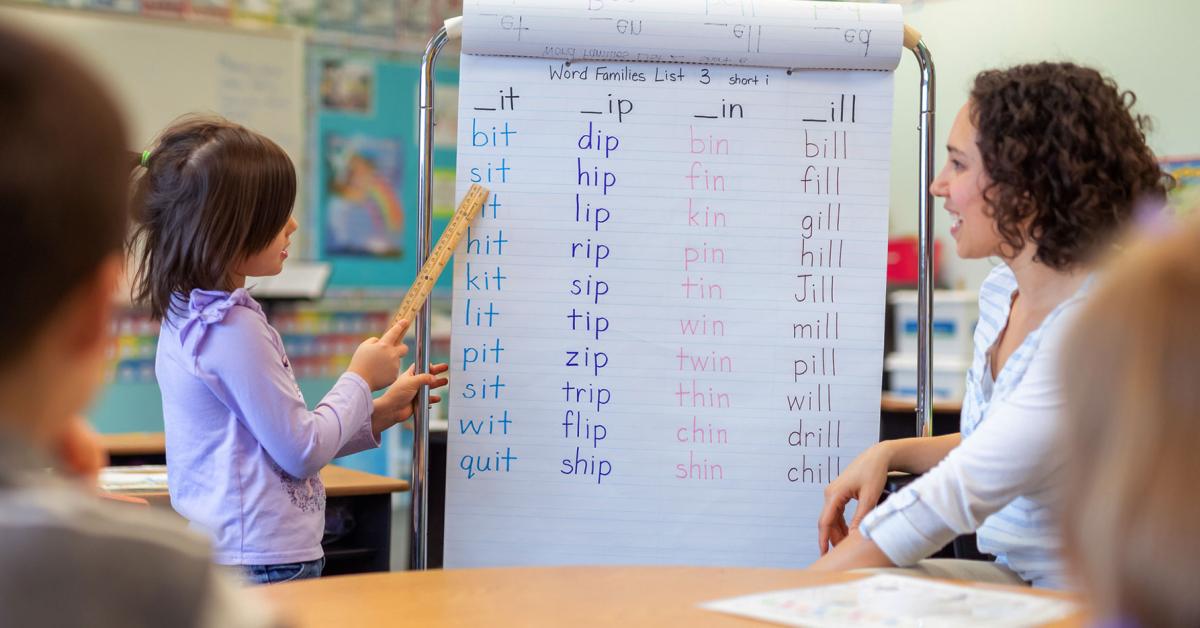
Understanding How Phonics Builds Strong Reading Foundations
Teaching a child to read becomes much easier when the learning process is built on phonics. Phonics is a method that helps children connect letters with sounds so they can decode words confidently. Instead of memorizing whole words, children learn how letters and combinations of letters sound, making reading more logical and enjoyable.
When parents focus on phonics early, children develop stronger reading skills, better pronunciation, and improved spelling abilities. The goal is not just to teach reading but to make it an engaging experience where phonics becomes a natural part of everyday learning.
Many children struggle with reading because they are not introduced to phonics in a fun and interactive way. Turning phonics into playful activities helps remove pressure and builds curiosity, which is essential for early literacy development.
Why Phonics is Essential for Early Reading Success
Phonics plays a key role in helping children understand how language works. Instead of guessing words, they learn to sound them out. This builds independence and confidence in reading.
One of the most important benefits of phonics is that it helps children decode unfamiliar words. When they understand phonics rules, they can read new books without constant help. This improves both fluency and comprehension.
Another reason phonics is important is that it supports spelling skills. When children learn sounds associated with letters, they are better able to spell words correctly. This connection between reading and writing strengthens overall language development.
Using phonics also encourages active learning. Instead of passive memorization, children engage with sounds, patterns, and words in a meaningful way. This makes learning more enjoyable and effective.
Fun and Interactive Phonics Activities for Daily Learning
Turning phonics into fun activities is one of the best ways to teach reading. Children learn best when they are engaged, and interactive methods make phonics exciting instead of boring.
One simple activity is sound hunting. Parents can ask children to find objects around the house that start with a specific sound. For example, if the focus is on the “b” sound, the child might find a ball, book, or bottle. This helps reinforce phonics in real-life situations.
Another effective activity is letter sound games. Parents can say a sound, and the child has to guess the letter or find a matching object. This strengthens listening skills and improves sound recognition.
Flashcards are also useful when teaching phonics. However, instead of just showing letters, parents can turn it into a game. For example, the child can jump to the correct flashcard or race to pick the right one. This physical movement makes learning more engaging.
Singing phonics songs is another powerful method. Rhymes and music help children remember sounds more easily. Repetition through songs strengthens memory and makes phonics enjoyable.
Storytelling with phonics focus can also be very effective. Parents can emphasize specific sounds while reading stories, encouraging children to repeat and recognize them. This builds both listening and reading skills at the same time.
Building Strong Reading Habits Through Phonics Practice
Consistency is key when teaching reading using phonics. Short daily sessions are more effective than long occasional lessons. Even 10 to 15 minutes of phonics practice each day can make a big difference.
Reading together every day helps children apply phonics naturally. Parents can point out sounds in words while reading books aloud. This helps children see how phonics works in real reading situations.
Encouraging children to sound out words instead of guessing is also important. At first, it may take time, but with regular practice, children become more confident in using phonics to read independently.
It is also helpful to gradually increase difficulty. Start with simple phonics sounds and short words, then move on to blends and more complex patterns. This step-by-step approach ensures steady progress.
Making Phonics a Part of Everyday Life
One of the best ways to teach reading is by integrating phonics into daily routines. Children learn faster when they see phonics everywhere, not just during study time.
For example, while driving or walking, parents can ask children to identify signs or objects that match certain sounds. This turns everyday moments into learning opportunities.
Labeling objects at home is another useful technique. Writing simple phonics-based labels on items like “door,” “table,” or “cup” helps children associate sounds with real objects.
Even during playtime, phonics can be included. Building blocks with letters, matching games, or digital phonics apps can make learning interactive and fun.
The key is to make phonics feel natural rather than forced. When children enjoy the process, they are more likely to stay motivated and develop strong reading habits.
Encouraging Confidence and Progress in Phonics Learning
Every child learns at their own pace, so patience is important when teaching phonics. Encouragement and positive reinforcement help build confidence.
When a child successfully sounds out a word, celebrating that achievement boosts motivation. Even small progress should be appreciated because it builds a positive attitude toward reading.
Mistakes should be treated as learning opportunities. Instead of correcting harshly, guiding the child gently helps them understand phonics better without fear of failure.
It is also important to keep activities varied. Using different phonics games, stories, and exercises prevents boredom and keeps learning exciting.
Over time, children begin to recognize patterns in words naturally. This is when phonics becomes a powerful tool for independent reading.
Long-Term Benefits of Learning Through Phonics
Learning to read through phonics provides lifelong benefits. Children who master phonics early tend to become stronger readers and writers as they grow.
Phonics improves vocabulary because children can decode and understand new words on their own. It also enhances communication skills, as children become more confident in expressing themselves.
Another long-term benefit is academic success. Reading is the foundation of all learning, and strong phonics skills support performance in all subjects.
Most importantly, phonics builds a love for reading. When children are able to read confidently, they are more likely to explore books and develop curiosity about the world.
Final Thoughts on Teaching Reading Through Phonics
Teaching a child to read becomes much easier and more enjoyable when phonics is used in creative and interactive ways. Instead of traditional memorization, phonics helps children understand how language works step by step.
By using games, songs, storytelling, and daily activities, parents can make phonics a natural part of their child’s life. This not only improves reading skills but also builds confidence and curiosity.