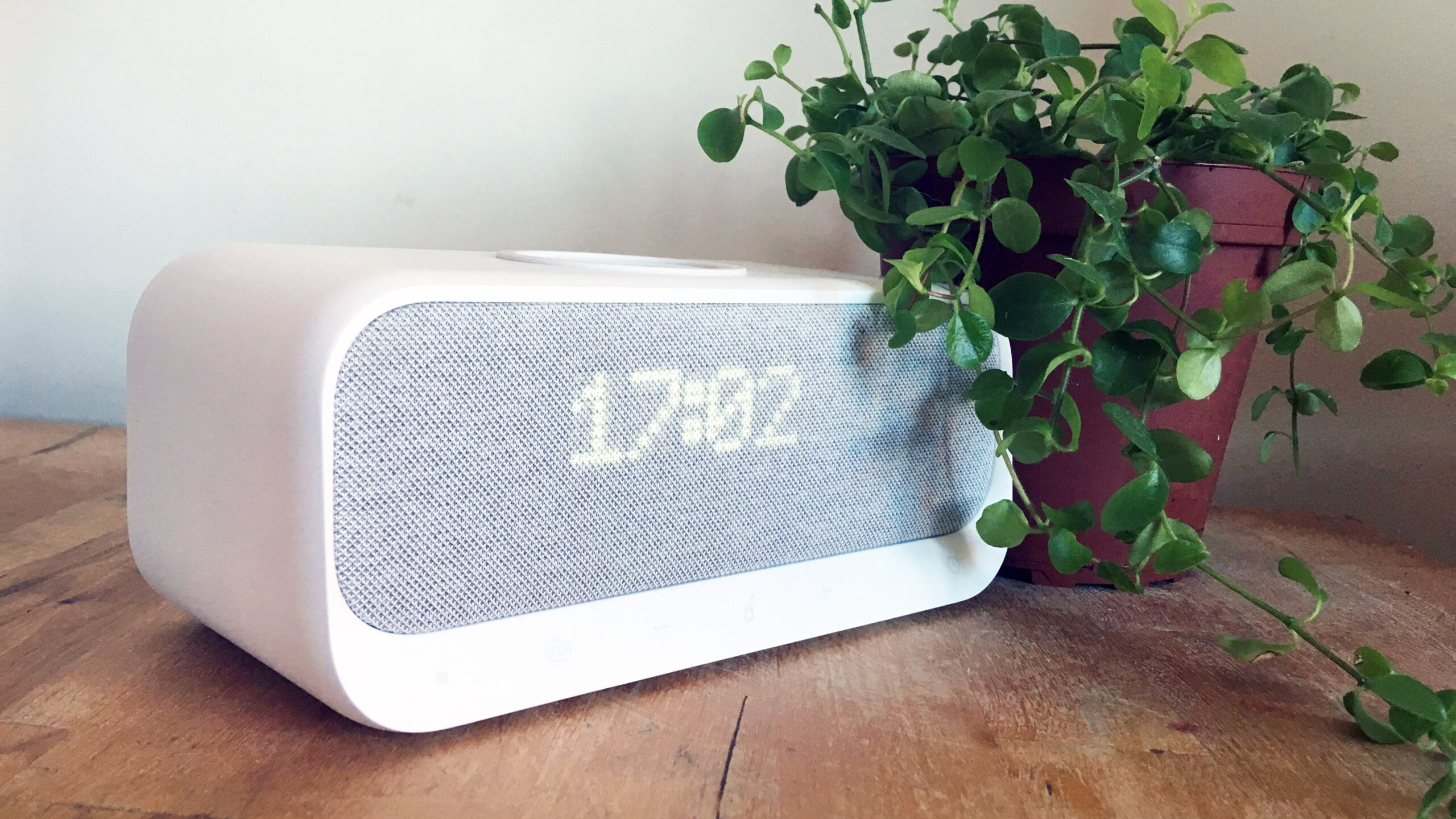
A comfortable nighttime routine can make a meaningful difference in how people relax, disconnect from daily responsibilities, and prepare for sleep. While lighting, bedding, room temperature, and personal habits all contribute to a peaceful bedroom, sound is another important part of the environment. The right bedside speaker can become a simple yet useful addition to a modern nighttime setup, helping create an atmosphere that feels calm, organized, and personalized.
Rather than treating a speaker as another piece of technology competing for attention, it can be integrated into the bedroom routine in thoughtful ways. From playing soft music to supporting relaxation exercises and providing gentle morning sounds, a compact speaker can serve several purposes without taking up much space.
Why Sound Matters in a Nighttime Routine
Sound has a strong influence on the atmosphere of a room. Loud or unpredictable audio can make it harder to relax, while consistent and gentle sounds may help create a more comfortable transition between daytime activity and nighttime rest.
A bedside speaker provides an easy way to control the sound environment from a convenient location. Instead of relying on a phone placed next to the pillow, users can position a dedicated speaker on a nightstand or nearby shelf. This can create a more intentional bedroom setup while keeping entertainment and relaxation separate from constant phone use.
The most important consideration is not simply volume. Audio selection, timing, placement, and consistency can all influence how comfortable the routine feels.
Create a Dedicated Wind-Down Playlist
One of the easiest ways to use a bedside speaker is to create a playlist specifically for the final part of the evening. The playlist might include soft instrumental music, acoustic tracks, ambient sounds, classical compositions, or other relaxing audio.
Using the same general playlist at night can also become a recognizable signal that the day is ending. Over time, the routine can feel more automatic because certain sounds become associated with relaxing activities.
A dedicated playlist should generally avoid overly energetic songs, sudden volume changes, or tracks that encourage active engagement. The goal is to create background sound rather than another source of stimulation.
Use Gentle Ambient Sounds
Some people prefer natural or continuous sounds instead of music. Rainfall, ocean waves, soft wind, forest ambience, and white or brown noise can provide an alternative nighttime soundscape.
A bedside speaker can make these sounds accessible without requiring headphones. This may be particularly useful for people who enjoy having consistent background audio while reading, stretching, journaling, or preparing for sleep.
Experimenting with different sound types can help determine which atmosphere feels most comfortable. Some users may enjoy subtle nature sounds, while others may prefer near-silent ambient noise.
Pair Audio With Reading Time
Reading before bed is a popular way to move away from busy daytime activities. A speaker can complement this habit by providing quiet background audio while a person reads a physical book or magazine.
The speaker should remain secondary to reading. Keeping the volume low allows the audio to contribute to the atmosphere without distracting from the words on the page.
This setup can also make the bedroom feel more inviting. A warm lamp, comfortable bedding, a book, and a softly playing bedside speaker can create a simple nighttime corner designed around relaxation.
Build a Technology-Free Phone Strategy
Modern phones combine communication, entertainment, notifications, social media, alarms, and music in one device. Keeping a phone directly beside the bed can therefore make it tempting to check messages or browse content late at night.
A dedicated bedside speaker can help separate audio from phone-based distractions. Users can select music or ambient sounds before beginning their nighttime routine and then place the phone farther away.
This approach does not eliminate technology from the bedroom, but it can make technology feel less intrusive. The speaker becomes a focused tool for sound rather than a gateway to constant notifications.
Try a Gradual Evening Volume Routine
Another useful idea is to gradually reduce audio intensity as bedtime approaches. Early in the evening, a person might listen to soft music while preparing clothes, organizing the bedroom, or completing personal tasks. Later, the audio can transition to quieter ambient sounds.
A bedside speaker positioned within easy reach makes this gradual change convenient. Instead of suddenly switching from an active environment to complete silence, users can create several stages in their evening routine.
Consistency is especially helpful. Repeating the same sequence each night can make the transition to bedtime feel smoother and more predictable.
Explore Guided Relaxation Audio
A speaker can also support guided breathing exercises, meditation sessions, stretching instructions, or other relaxation content. These activities can be particularly useful when someone wants a structured way to slow down at the end of the day.
With a bedside speaker, guided audio can be played without wearing headphones. This allows users to remain physically comfortable while following spoken instructions.
For a more peaceful experience, select content with a calm speaking style and avoid programs that become overly stimulating or require active interaction immediately before sleep.
Choose the Right Placement
Where the speaker is placed can influence the overall experience. A nightstand is a natural location because it provides easy access while keeping the device close to the listening area.
However, the speaker does not necessarily need to sit directly beside the pillow. Placing it on a stable nearby surface can help distribute sound more evenly and reduce the temptation to keep adjusting the device.
The speaker should also be positioned securely, with charging cables arranged safely and away from areas where they could become tangled or pulled.
Match the Speaker to the Bedroom Style
Comfort is not only about audio. Visual design can influence how cohesive a bedroom feels. A compact speaker with a simple appearance can blend into modern, minimalist, traditional, or technology-focused interiors.
A bedside speaker that fits naturally with the furniture can feel like part of the room rather than an unnecessary gadget. This is particularly useful for people who prefer uncluttered nightstands.
Keeping only essential objects near the bed can also make the space feel calmer. The speaker can share the surface with a lamp, book, water glass, or other nighttime essentials without overwhelming the area.
Make Morning and Evening Routines Work Together
Although the main focus may be nighttime relaxation, a speaker can also become part of the morning routine. Gentle audio can provide a softer alternative to abrupt alarms, depending on the speaker’s available functions and the user’s preferred setup.
The same device can therefore serve as a bridge between the end of one day and the beginning of another. At night, it can provide calming background audio; in the morning, it can introduce music, news, podcasts, or other selected content.
Creating this connection can make the bedside speaker a practical part of a broader daily routine rather than a device used only occasionally.
Keep the Experience Simple
The best nighttime speaker setup does not have to include complicated automation, dozens of playlists, or constant customization. In many cases, simplicity makes a routine easier to maintain.
Choose a few reliable audio options, establish a comfortable volume, place the speaker conveniently, and use it consistently. The purpose is to support relaxation rather than create another task that needs to be managed.
It is also worth remembering that a speaker cannot replace healthy sleep habits. A comfortable bedroom, regular schedule, appropriate lighting, and reduced stimulation remain important parts of a balanced nighttime environment.
Personalize Your Ideal Nighttime Atmosphere
Every bedroom routine is different. Some people relax with quiet instrumental music, while others prefer rainfall, podcasts, audiobooks, meditation, or complete silence. A bedside speaker simply provides another way to shape the environment according to individual preferences.
The most effective setup is one that feels natural and easy to repeat. Instead of adding technology for its own sake, consider how sound can support activities already associated with winding down.
With thoughtful placement, appropriate audio, comfortable volume levels, and a consistent routine, a bedside speaker can become a small but valuable part of a relaxing bedroom. It can help transform the final minutes of the day from a rushed transition into a calmer experience, creating a nighttime environment that feels more personal, comfortable, and intentionally designed.