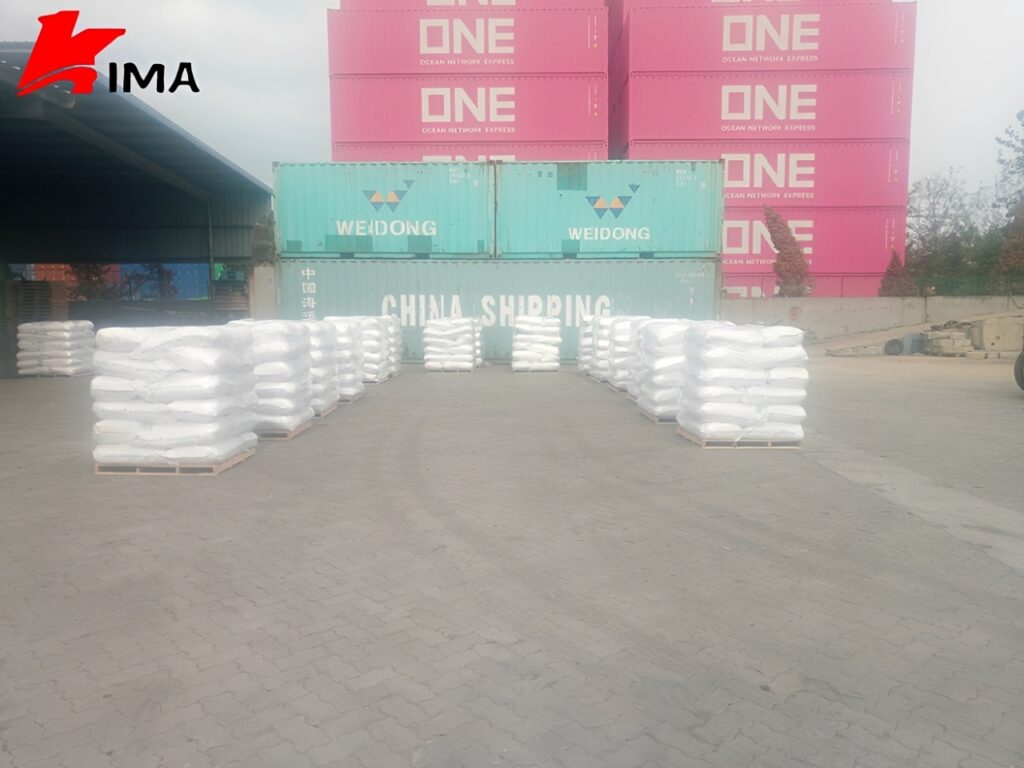
Hydroxypropyl Methylcellulose (HPMC) is a versatile, water-soluble polymer widely used in both the pharmaceutical and food industries. Known for its non-toxic, biodegradable, and biocompatible properties, it plays a crucial role in enhancing the quality, stability, and functionality of numerous products. From acting as a binder in tablets to serving as a thickening agent in food, Hydroxypropyl Methylcellulose has become an indispensable ingredient in modern manufacturing.
Understanding Hydroxypropyl Methylcellulose
Hydroxypropyl Methylcellulose is a chemically modified cellulose derivative. Cellulose, a natural polymer found in plant cell walls, is treated with hydroxyl and methyl groups to produce HPMC, which exhibits unique solubility and film-forming properties. Its ability to dissolve in cold water while forming gels when heated makes it particularly valuable in applications requiring precise texture, viscosity, or controlled release mechanisms. In addition, HPMC is odorless, tasteless, and stable over a wide range of pH levels, making it suitable for both edible and medicinal products.
Hydroxypropyl Methylcellulose in Pharmaceuticals
In the pharmaceutical industry, Hydroxypropyl Methylcellulose serves multiple critical functions. One of its primary uses is as a binder and film-former in tablet production. HPMC helps hold the active pharmaceutical ingredients together, ensuring uniformity and durability of tablets. Its film-forming ability also enables the creation of enteric coatings, which protect the drug from stomach acid and ensure targeted release in the intestines.
Another significant role of Hydroxypropyl Methylcellulose is as a controlled-release agent. Certain medications require a gradual release of the active ingredient to maintain consistent therapeutic levels in the bloodstream. HPMC matrices can be engineered to dissolve at specific rates, allowing for extended-release formulations that improve patient compliance and reduce dosing frequency.
HPMC is also used in ophthalmic solutions as a viscosity enhancer. Eye drops and gels containing Hydroxypropyl Methylcellulose provide longer-lasting lubrication, relief from dryness, and improved drug delivery to the ocular surface. Additionally, its safety profile and non-irritating nature make it suitable for sensitive applications, including nasal sprays and topical ointments.
Hydroxypropyl Methylcellulose as a Food Additive
Beyond pharmaceuticals, Hydroxypropyl Methylcellulose plays a pivotal role in the food industry. It is commonly used as a thickening, emulsifying, and stabilizing agent in a wide range of products. For instance, in bakery items, HPMC improves dough elasticity, enhances water retention, and prolongs shelf life. It ensures that breads and cakes maintain softness and volume over time.
In processed foods such as sauces, dressings, and soups, Hydroxypropyl Methylcellulose helps achieve the desired texture and viscosity. Its gelling properties enable manufacturers to create smooth, consistent products that do not separate during storage. Furthermore, HPMC is used in low-fat and gluten-free foods as a fat replacer, providing creaminess and mouthfeel without adding calories or gluten.
Another notable application is in plant-based and vegetarian products. Hydroxypropyl Methylcellulose acts as a binder and moisture-retention agent in meat analogs, helping to mimic the texture and juiciness of traditional meat. It also contributes to the stability of vegetarian cheese alternatives, ensuring smooth melting and proper sliceability.
Advantages of Hydroxypropyl Methylcellulose
The widespread use of Hydroxypropyl Methylcellulose in both pharmaceuticals and food products is largely due to its multifunctional benefits. In pharmaceuticals, it enhances tablet integrity, ensures controlled drug release, and improves patient compliance. In food applications, it improves texture, consistency, and shelf life while supporting dietary modifications such as gluten-free or low-fat formulations.
HPMC’s safety and regulatory approval further strengthen its appeal. Recognized as safe by major health authorities including the FDA and EFSA, Hydroxypropyl Methylcellulose can be incorporated into products without adverse health concerns. Its non-allergenic and non-toxic nature also makes it suitable for a wide range of consumers.
Additionally, HPMC is highly versatile. It can be formulated in various grades and viscosities depending on the desired application. This adaptability allows manufacturers to tailor its properties for specific product requirements, from thickening a soup to controlling the release of a pharmaceutical tablet.
Challenges and Considerations
Despite its numerous advantages, the use of Hydroxypropyl Methylcellulose requires careful consideration. The functional properties of HPMC, such as viscosity and gel strength, can vary depending on environmental factors like temperature, pH, and ionic strength. Manufacturers must optimize formulations to ensure consistent performance.
Cost is another factor to consider. High-purity grades of Hydroxypropyl Methylcellulose can be more expensive than other additives, requiring careful cost-benefit analysis in large-scale production. However, the performance benefits and enhanced product quality often justify the investment.
Innovations and Future Prospects
Research continues to expand the potential applications of Hydroxypropyl Methylcellulose. In pharmaceuticals, advanced drug delivery systems are exploring HPMC-based hydrogels and biodegradable matrices for targeted therapy and sustained release. In food technology, HPMC is being studied as a stabilizer for plant-based dairy alternatives and functional foods enriched with probiotics.
Sustainability is also a growing focus. Since HPMC is derived from cellulose, a renewable resource, it aligns with industry trends toward environmentally friendly and biodegradable ingredients. Its integration into eco-conscious product lines enhances both performance and market appeal.
Conclusion
Hydroxypropyl Methylcellulose is a multifunctional ingredient that has transformed the pharmaceutical and food industries. Its unique properties as a binder, film-former, thickener, and stabilizer make it indispensable for producing high-quality, safe, and consistent products. In pharmaceuticals, it ensures effective drug delivery, controlled release, and patient compliance. In food products, it enhances texture, stability, and shelf life, while supporting innovations in low-fat, gluten-free, and plant-based foods.
The versatility, safety, and adaptability of Hydroxypropyl Methylcellulose ensure that it will continue to play a pivotal role in product development and innovation. As consumer demands evolve toward healthier, sustainable, and high-quality products, HPMC remains a trusted ally for manufacturers striving to meet these expectations. Its ongoing research and applications promise even broader uses, solidifying its position as a cornerstone ingredient in both industries.