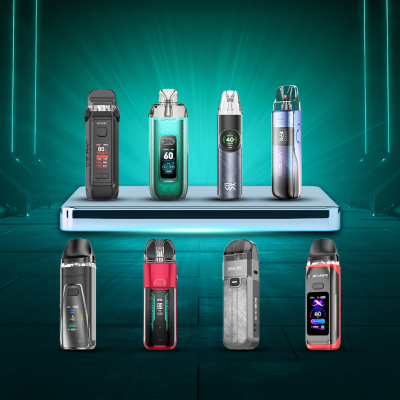
The vapes australia market has become an important topic for consumers, retailers, policymakers, and public health professionals. As vaping has developed from a niche alternative to traditional smoking into a widely discussed consumer product category, Australia has taken a notably strict approach to regulation. Anyone interested in the market needs to understand not only the products themselves but also the laws, purchasing pathways, health considerations, and broader social trends shaping the industry.
Understanding the Australian Vaping Landscape
Vaping involves heating a liquid to produce an aerosol that users inhale. Vape products can vary significantly in design, technology, ingredients, and intended use. Common categories include disposable devices, rechargeable pod systems, refillable devices, and more advanced vaporisers. However, the availability and legal status of these products in Australia are strongly influenced by national regulations.
Unlike some international markets where vaping products are widely sold in convenience stores and specialist shops, Australia has established a more controlled framework. The country’s approach focuses heavily on reducing youth access, limiting recreational nicotine use, and positioning therapeutic vaping products within a regulated health framework.
This makes the vapes australia market different from many overseas markets. Consumers cannot simply assume that products legally available in another country can be imported, sold, or used in Australia under the same conditions.
The Role of Australian Vaping Regulations
Regulation is one of the most important factors affecting the Australian vaping sector. Australian laws and rules have evolved considerably over recent years, with federal and state or territory governments introducing measures designed to control the supply and use of vaping products.
Nicotine-containing vaping products have been subject to therapeutic regulation, and access has generally been linked to Australia’s therapeutic goods framework. At the same time, restrictions have been introduced to address the growth of recreational vaping and concerns about young people becoming regular users.
The regulatory environment can also involve rules relating to importation, manufacturing, advertising, packaging, retail supply, and product standards. Because these requirements can change, consumers and businesses should always check current information from official Australian government and health authorities before purchasing, importing, or supplying vaping products.
How the Market Has Changed
The Australian vaping market has experienced substantial changes as public awareness, technology, and regulation have developed. Early vaping products were often designed to resemble traditional cigarettes, while newer devices can feature compact pod systems, rechargeable batteries, and increasingly sophisticated technology.
Internationally, disposable vapes have become particularly popular because of their convenience and simple operation. However, Australia’s regulatory environment has created significant restrictions around these products. This means that trends observed in countries such as the United States or the United Kingdom cannot automatically be applied to the Australian market.
The result is a market where consumer interest exists alongside strict controls. This combination has created ongoing discussions about accessibility, compliance, harm reduction, youth protection, and the responsibilities of manufacturers and suppliers.
Legal Purchasing and Access
One of the most important considerations for anyone researching vapes australia is understanding how legal access works. The rules governing vaping products can depend on factors such as whether a product contains nicotine, whether it is intended for therapeutic use, and how it is supplied.
Consumers should be cautious when purchasing products from overseas websites or informal sellers. A product advertised online may not necessarily comply with Australian requirements. Importing or supplying products outside the applicable legal framework can create serious issues for both consumers and businesses.
For this reason, checking official government guidance is essential. Laws can also differ in practical application between jurisdictions, so Australian residents should confirm the requirements that apply to their specific circumstances.
Product Types and Technology
Vaping technology continues to evolve. Refillable pod systems, for example, are designed to allow users to replenish their e-liquid supply, while closed pod systems use pre-filled cartridges. Rechargeable devices generally produce less physical waste than single-use products, although their batteries and components still require responsible disposal.
The design of a vaping device can influence its convenience, battery life, portability, and maintenance requirements. E-liquid formulations may also differ in nicotine concentration and flavour characteristics.
However, product variety should not be confused with unrestricted availability. In the Australian context, the legal status of a device or liquid depends on applicable regulations rather than simply on whether the product is commercially available in another country.
Health Considerations
Health is central to discussions about vaping. Vaping is not risk-free, and health authorities continue to study the short- and long-term effects of inhaling aerosols produced by vaping devices.
Nicotine is addictive, and exposure can have health implications. There are also concerns about the effects of vaping on young people, pregnant individuals, and people who have never smoked. For these reasons, public health organizations generally emphasize that non-smokers should not begin vaping.
At the same time, vaping is frequently discussed in the context of smoking cessation and harm reduction. Some adult smokers may consider vaping as an alternative to combustible tobacco. However, individuals seeking to stop smoking should consult qualified healthcare professionals about evidence-based cessation strategies and appropriate treatment options.
The key point is that vaping should not be presented as completely harmless. Consumers need accurate information so they can make informed decisions based on reliable health guidance.
Youth Protection and Public Awareness
Protecting young people is a major priority in Australia’s approach to vaping regulation. Concerns about youth vaping have influenced many policy decisions, including restrictions on advertising, product presentation, supply channels, and access.
Flavours, attractive packaging, and social media exposure have been widely discussed internationally as factors that may influence younger audiences. Australia’s regulatory approach seeks to limit these influences and prevent vaping from becoming normalized among children and teenagers.
Parents, educators, healthcare professionals, and community organizations all play important roles in educating young people about nicotine addiction and the potential risks associated with vaping.
The Future of the Vapes Australia Market
The future of the vapes australia market will likely continue to be shaped by regulation, public health research, consumer behaviour, and technological development. Businesses operating in this sector will need to pay close attention to changing legal requirements and compliance obligations.
Consumers are also becoming more aware of product quality, ingredient transparency, responsible disposal, and health information. As regulations develop, the market may continue moving toward more controlled and standardized supply channels.
Technology could also influence the sector. Battery efficiency, device design, and waste reduction are areas where innovation may continue. However, technological progress will always operate within the boundaries established by Australian law.
Making Informed Decisions
Anyone researching vaping in Australia should approach the subject carefully and critically. Online discussions can contain outdated or inaccurate information, particularly because vaping laws have changed significantly over time.
Before purchasing or using a vaping product, consumers should verify current requirements through official government sources and seek professional health advice when appropriate. Businesses should also obtain specialized legal and regulatory guidance before importing, manufacturing, advertising, or supplying vaping products.
The Australian market demonstrates how consumer demand and public health policy can interact in a highly regulated environment. Understanding the legal framework, health considerations, product categories, and changing market trends provides a clearer picture of the industry.
Ultimately, the vapes australia market is defined by a combination of regulation, health concerns, consumer interest, and ongoing policy development. As Australia continues to refine its approach to vaping, staying informed through reliable sources will remain essential for consumers, healthcare professionals, and businesses alike.