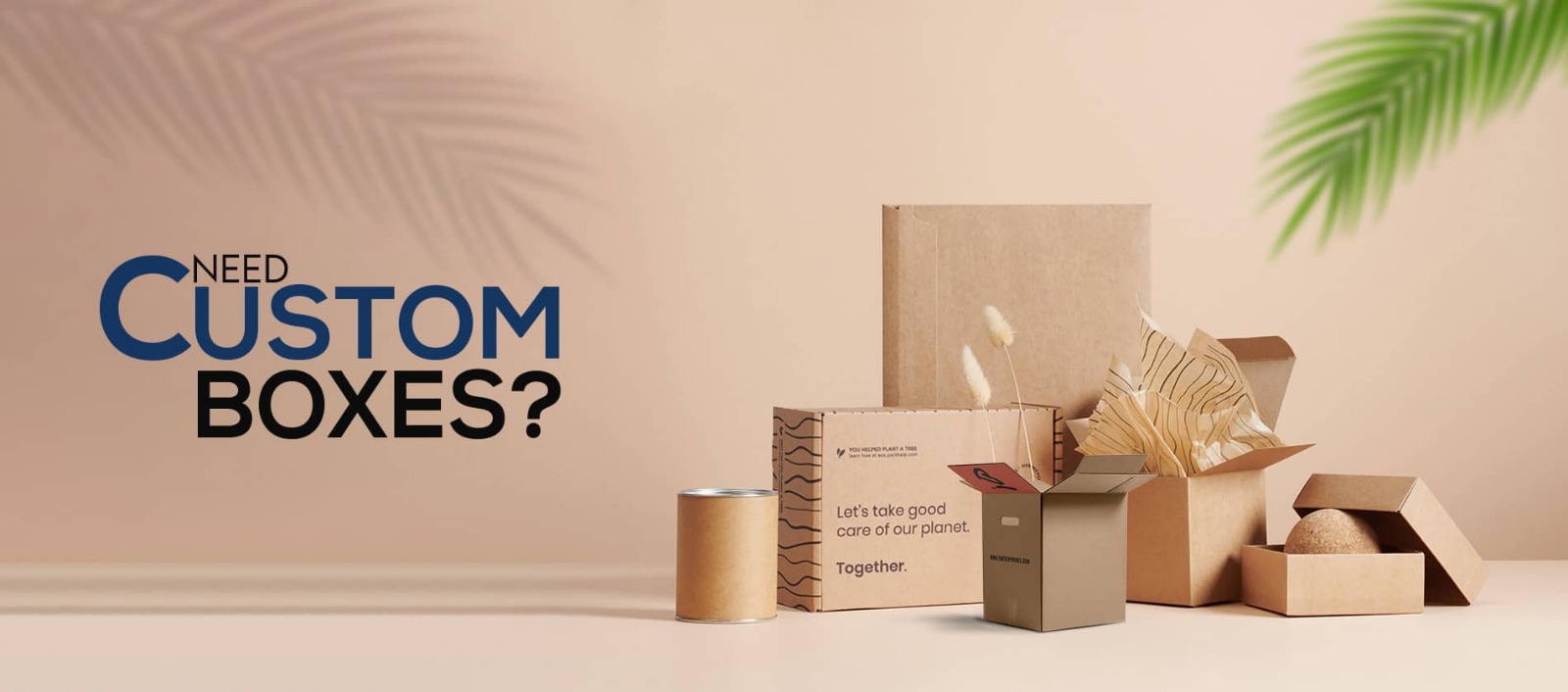
Choosing the right size and shape for cosmetic boxes is essential for both product protection and brand presentation. A box that fits perfectly ensures that the cosmetic item remains safe during transport while creating a polished, professional appearance. Oversized packaging can appear wasteful and less premium, whereas too-small boxes may damage the product or make it difficult to package. Size and shape are not just functional considerations—they also impact customer perception, shelf appeal, and unboxing experience. By carefully selecting dimensions and forms that align with the product and brand identity, businesses can enhance customer satisfaction and increase sales.
Measuring Your Products Accurately
The first step in choosing the right box size is accurate measurement of your cosmetic products. Measure the length, width, and height of each item, including any packaging like jars, tubes, or applicators. Consider any protruding features or irregular shapes that might require additional space. Adding a small allowance, typically 2 to 5 millimeters per dimension, ensures a snug fit without being too tight. Precise measurements reduce material waste and prevent damage during shipping. Accurate sizing also ensures that the product looks visually appealing in its box. Brands that take care in measuring demonstrate attention to detail, which customers often associate with product quality.
Considering Product Protection
Box size and shape directly influence the protection of cosmetic products. Fragile items, such as glass bottles or delicate palettes, require extra cushioning space, inserts, or dividers. Choosing a box with adequate height and width allows for protective padding without making the packaging look bulky. Oddly shaped products may require custom shapes or specialized boxes to keep them secure. Properly designed boxes prevent movement, scratches, or breakage, enhancing customer satisfaction. By prioritizing protection in size and shape selection, brands can reduce returns and complaints while reinforcing trust in their products and overall brand.
Aligning with Brand Aesthetics
The shape of a cosmetic box is a reflection of the brand’s identity. Sleek rectangular boxes may convey minimalism and modernity, while cylindrical or hexagonal boxes can feel unique and luxurious. Luxury brands often prefer taller, structured boxes that accommodate inserts and premium finishes. Eco-friendly brands may choose simple, compact shapes to reduce material use while emphasizing sustainability. The size should complement the product’s presentation; for instance, a tiny luxury serum should not appear lost in an oversized box. Thoughtful box design reinforces brand values and ensures that customers perceive the product as high-quality and cohesive with the brand story.
Standard vs. Custom Shapes
Standard box shapes, like rectangles and squares, are cost-effective and convenient for mass production. They work well for typical cosmetic products and simplify logistics. However, custom shapes can differentiate a brand and create a memorable unboxing experience. Irregular or innovative forms, such as pyramid, hexagon, or uniquely contoured boxes, catch the eye and can make the product feel special. While custom shapes may increase production costs, the added brand recognition and premium feel often justify the investment. Balancing standard and custom options allows brands to optimize cost, appeal, and uniqueness.
Shipping and Storage Considerations
Box size and shape affect shipping efficiency and storage. Oversized boxes can increase shipping costs and take up unnecessary warehouse space. Compact, well-proportioned boxes reduce shipping volume and protect products more efficiently. Certain shapes may stack better or fit neatly in shipping containers, minimizing damage risks. Additionally, smaller boxes appeal to eco-conscious consumers by reducing material usage. When selecting box dimensions and forms, it is essential to consider both product safety and logistical efficiency. Optimized packaging saves money, reduces environmental impact, and ensures that cosmetic products reach customers in perfect condition.
Material Compatibility
The material used for cosmetic boxes influences size and shape selection. Cardboard thickness, rigidity, and folding properties can impact how snugly a product fits inside. Thicker materials may require slightly larger dimensions, while thinner materials might need closer tolerances to prevent movement. Certain shapes, such as cylinders or hexagons, may require reinforced edges to maintain stability. Understanding material behavior ensures that boxes maintain their form, protect the product, and present it attractively. Proper coordination between material choice, size, and shape is essential for creating packaging that is both functional and aesthetically pleasing.
Accounting for Product Variability
Cosmetic products, especially handmade or artisanal items, may vary slightly in size and shape. When choosing box dimensions, it is important to accommodate these natural variations. A slightly larger or adjustable box can prevent tight fits that might damage the product or make packaging difficult. Inserts, padding, or flexible compartments can also help manage variability. Planning for these differences ensures consistency in presentation, protects products, and improves the customer’s unboxing experience. By considering variability in size and shape, brands maintain a professional, reliable image.
Enhancing Unboxing Experience
The size and shape of a cosmetic box affect the unboxing experience. Well-proportioned boxes feel satisfying to hold and open. Unique shapes or clever closures can create excitement and enhance the perceived value of the product. Customers often remember and share distinctive packaging, especially on social media. Packaging that feels thoughtfully designed increases emotional engagement, encourages repeat purchases, and strengthens brand loyalty. By carefully selecting box size and shape, brands can turn simple cosmetic packaging into a memorable and shareable experience.
Conclusion
Choosing the right size and shape for cosmetic boxes is a strategic decision that impacts product protection, brand identity, and customer experience. Accurate measurements, consideration of product protection, and alignment with brand aesthetics ensure that packaging looks premium and functions effectively. Balancing standard and custom shapes, considering shipping efficiency, material properties, and product variability enhances both practicality and appeal. Thoughtful box selection elevates the unboxing experience, reinforces perceived quality, and strengthens brand loyalty. In the competitive cosmetic industry, investing time and resources into optimal box design ensures products are safe, visually appealing, and memorable, ultimately boosting sales and customer satisfaction.