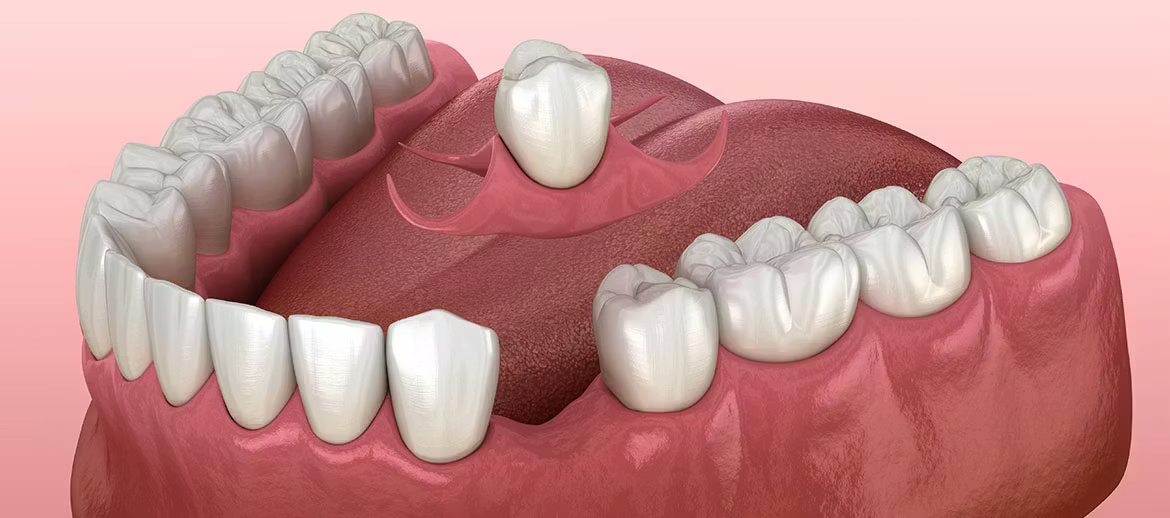
Selecting the right denture is an important decision that can significantly impact your oral health, comfort, and confidence. Dentures are designed to replace missing teeth and restore your ability to eat, speak, and smile comfortably. With numerous options available, understanding the types, materials, and considerations involved in choosing dentures is essential for making the best decision for your needs.
Understanding the Different Types of Dentures
There are several types of dentures, each catering to different dental situations. Understanding these types is the first step in selecting the right denture.
Complete Dentures are designed for individuals who have lost all of their teeth in either the upper or lower jaw. These dentures rest directly on the gums and are custom-fitted to ensure proper alignment and comfort.
Partial Dentures are ideal for people who still have some natural teeth remaining. They consist of replacement teeth attached to a gum-colored base and are held in place with metal clasps or precision attachments. Partial dentures not only fill gaps but also prevent remaining teeth from shifting.
Immediate Dentures are created in advance and can be placed immediately after teeth extraction. While convenient, they may require adjustments as your gums heal and shrink over time.
Implant-Supported Dentures are anchored to dental implants, providing greater stability and eliminating the risk of dentures slipping or moving. They are particularly beneficial for individuals seeking a secure and permanent solution.
Choosing Dentures Based on Material
The material of your denture affects its durability, appearance, and comfort. Common materials include acrylic, porcelain, and flexible resin.
Acrylic Dentures are lightweight and cost-effective. They are easy to adjust but may wear down faster than other materials. Acrylic dentures are often recommended for complete dentures.
Porcelain Dentures are more durable and provide a natural appearance. They are resistant to staining and wear but can be heavier and more expensive than acrylic options.
Flexible Dentures are made from a softer resin that adapts to the shape of your gums. They offer comfort and are less likely to cause irritation, making them ideal for individuals with sensitive gums or minor dental irregularities.
Factors to Consider When Choosing Dentures
Choosing the right denture involves more than selecting a type or material. Several factors play a crucial role in ensuring the denture fits well and meets your lifestyle needs.
Fit and Comfort are paramount when selecting dentures. Poorly fitting dentures can cause sore spots, irritation, and difficulty chewing. Your dentist will take precise measurements of your gums and jaw to ensure a custom fit.
Aesthetic Appeal is another consideration. Dentures should look natural and blend seamlessly with your facial features. Factors such as tooth shape, color, and alignment are customized to enhance your appearance and smile.
Functionality affects your ability to speak, chew, and maintain oral hygiene. Well-designed dentures should restore normal function, allowing you to eat a variety of foods and speak clearly. Dentures that interfere with daily activities can lead to frustration and reduced quality of life.
Durability and Maintenance are essential for long-term satisfaction. Some dentures may require frequent adjustments or replacements, while others, such as implant-supported options, offer more stability and longevity. Consider the maintenance requirements and your ability to follow proper care routines.
Cost and Budget play a significant role in decision-making. Dentures vary widely in price depending on type, material, and customization. While it may be tempting to opt for the least expensive option, investing in high-quality dentures can improve comfort, durability, and overall satisfaction.
The Process of Getting Dentures
Understanding the denture process can help set realistic expectations. It typically begins with a consultation where your dentist evaluates your oral health and discusses your needs and preferences.
Impressions of your gums and jaw are taken to create a model for custom-fitting dentures. This ensures that the final denture aligns perfectly with your mouth. For complete dentures, you may receive a temporary version while your permanent denture is being fabricated.
During the fitting stage, your dentist will make adjustments to optimize comfort and function. Follow-up visits are often necessary to fine-tune the fit and address any issues that arise. Over time, regular checkups help maintain the denture’s condition and prevent potential problems.
Caring for Your Dentures
Proper care of your dentures extends their lifespan and ensures oral health. Daily cleaning is essential to remove food particles, plaque, and bacteria. Use a soft-bristled brush and a non-abrasive denture cleanser to prevent scratches and damage.
When not in use, store your dentures in water or a denture solution to keep them from drying out and losing shape. Avoid using hot water, which can warp the material.
Regular dental visits are critical to monitor gum health, check for wear and tear, and adjust the fit as needed. Even if you no longer have natural teeth, your gums and oral tissues require professional attention.
Addressing Common Denture Challenges
New denture wearers may experience challenges such as discomfort, difficulty speaking, or chewing issues. These problems often resolve with practice and proper adjustment.
Sore Spots and Irritation can be managed by applying denture adhesive temporarily while consulting your dentist for adjustments.
Speech Difficulties improve as your tongue and lips adapt to the denture. Practicing reading aloud or speaking slowly can accelerate the adjustment period.
Chewing and Eating may require starting with softer foods and gradually progressing to harder textures. Cutting food into smaller pieces can make the transition smoother.
Making an Informed Choice
Choosing the right denture requires balancing comfort, aesthetics, functionality, and cost. Consulting with a qualified dentist ensures that your unique oral structure and needs are taken into account. Ask questions about materials, customization options, maintenance requirements, and long-term durability to make an informed decision.
Ultimately, the right denture enhances your quality of life by restoring confidence in your smile, improving oral function, and supporting overall health. By carefully considering the types of dentures, materials, and key factors, you can select a solution that meets your specific needs and allows you to enjoy life without the limitations of missing teeth.
Conclusion
Dentures are more than just replacements for missing teeth; they are tools that restore function, confidence, and aesthetics. Choosing the right denture involves understanding the options, evaluating materials, considering comfort and appearance, and maintaining proper care. With guidance from a dental professional and careful consideration of your personal needs, you can select a denture that enhances your oral health and daily life.
Making the effort to choose wisely ensures that your denture provides long-lasting comfort, improved functionality, and a natural appearance, ultimately helping you maintain a healthy and confident smile.
This comprehensive approach to selecting the right denture ensures you invest in a solution that meets your needs today and in the years to come.